

 Grant Pascoe
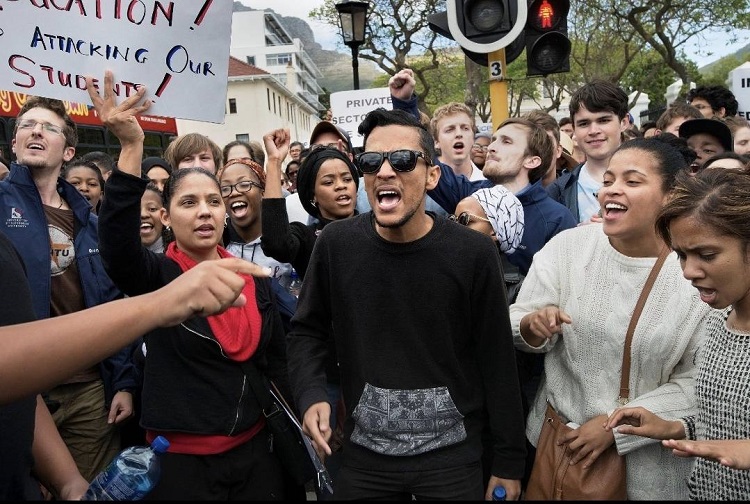
Education is supposed to be a way out of poverty. Parents believe it. Young people work for it. They study, they pass matric, they qualify for university and then, too often, they hit a wall.
In 2025, 345,000 learners achieved a bachelor’s pass. That should have been a doorway. Instead, only 202,000 first-year spots exist. Roughly 143,000 qualified students are left with nowhere to go. They are not underprepared. They are being turned away because the system cannot make space for them.
NEET Youth – Not in Employment, Education, or Training
By March, many are already out of school, out of training, and out of work. Nearly half of young South Africans fall into the NEET category, Not in Employment, Education, or Training. These are young people who did everything right, and yet the system leaves them stranded.
For those who do get into university, the barriers keep coming. About 10 to 15 percent of graduates cannot find jobs. Among 15 to 24-year-olds looking for work, 62 percent are unemployed and over half have never held a job. Entry-level positions demand experience but millions of young people have none. You cannot get experience if no one will give you a first chance.
It gets worse. The country produces just over 11,000 engineering graduates each year but the economy needs closer to 20,000. Thousands of graduates enter fields with few jobs. Young people are told to study hard but the system does not match education to opportunity.
NSFAS Income Ceilings Leading to Student Debt
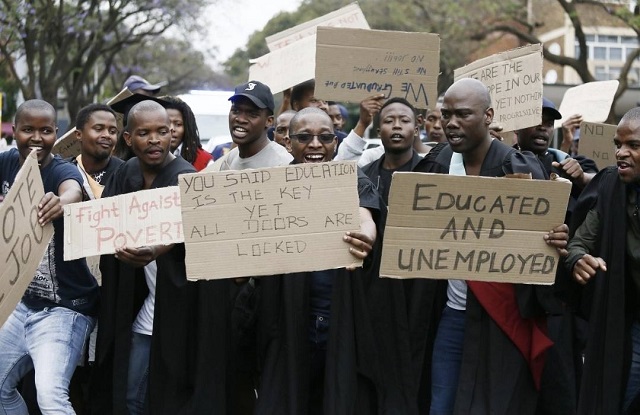
Debt piles up. Many families earn too much for NSFAS but too little to pay fees. Students borrow believing it will pay off. When graduates cannot find work, debt becomes crushing. Some cannot even access their own transcripts because of unpaid fees, locking them out of jobs and further study. They are qualified but stuck.
Location matters. In the Western Cape, a third of youth are NEET. In the North West, nearly 70 percent. Chance and geography, not talent or effort, determine opportunity. This is not fair. It is not sustainable.
Provincial Disparities in Youth Unemployment
The longer young people wait, the worse it gets. Skills fade. Confidence drops. Hope dies. Parents who sacrificed everything watch their children struggle. This is not just an economic problem. It is a political one. These young people are connected, informed, and concentrated in areas that matter during elections. The system is raising expectations only to crush them.
Finding Solutions to Curb Youth Unemployment among Graduates
There are solutions. Entry-level jobs must stop requiring impossible experience. Paid internships must lead to permanent positions. The private sector must be incentivized to hire first-time workers. Government hiring must create real pathways. Academic records should be released. Repayment can come later.
This is not complicated. It is common sense. South Africa is not short of talent. It is short of a system willing to use that talent.
Education can still be a way out of poverty. But right now, for too many young people, it is a promise being broken.
They have done what was asked of them. Parents have sacrificed. And the country must finally ask itself if we are ready to open the doors or if we are still keeping them closed.
Fediverse Reactions
Post URL
Your Profile
Why do I need to enter my profile?
This site is part of the ⁂ open social web, a network of interconnected social platforms (like Mastodon, Pixelfed, Friendica, and others). Unlike centralized social media, your account lives on a platform of your choice, and you can interact with people across different platforms.
By entering your profile, we can send you to your account where you can complete this action.