


 Ryan Swano
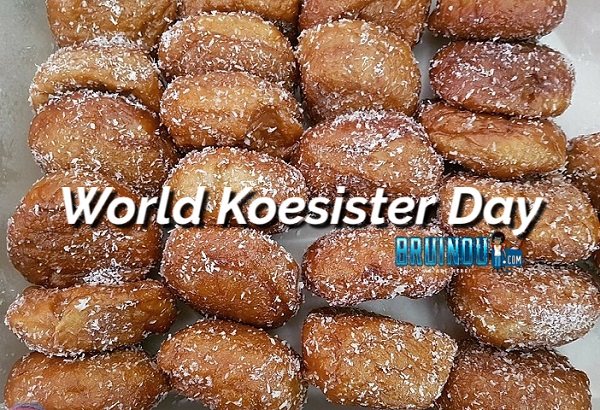
September is Heritage Month, and the much-loved Sunday morning tradition of having koesisters and tea, or coffee for some, has gained its own day of celebration, World Koesister Day, which this year falls on 7 September.
Particularly in the Cape, but also in predominantly Coloured communities in other parts of the country, and even among expats abroad, the tradition of Sunday morning koesisters is seen as part of Coloured & Cape Malay culture.
Of course, koesisters can also be enjoyed on any other day, but Sundays are when the most are made and sold.
By their nature, koesisters are not suitable for mass production, and are almost always made in someone’s home, or at small independent local bakery stores. Almost every Coloured neighbourhood has at least one aunty, or uncle, who makes and sells koesisters to others in their area.
Many eateries, from fast food stores to top-end restaurants, are supplied koesisters either from koesister-makers working from home or from small independent bakery stores. There are only a few exceptions where top-end restaurants have an in-house chef who can make authentic Cape Malay koesisters.
For the initiative spearheaded by weRproudly NPC, their alignment with World Koesister Day is integral to the success of their youth hospitality training programme.
Koesisters are Not Koeksisters
Having its origins with the Cape Malay, koesisters are prepared from balls of dough that include yeast and are flavoured with cinnamon, aniseed, ginger, cardamom and dried tangerine skin powder, deep-fried in oil, allowed to cool, then cooked for a minute in boiling syrup and rolled in desiccated coconut.
A koesister is soft and almost squishy, with a distinct spicy flavour.
It is important to note that Capetonians also make doughnuts that look almost exactly like koesisters but have a somewhat firmer texture and do not have all of the spices and ingredients that make a koesister what it is.
It is important to know and understand the difference between a koesister and a similar-looking coconut-covered doughnut.
The koesister, often pronounced koe_see_ste without saying the r at the end, should also never be confused with the Afrikaner confectionary called koeksister, which is a crisp and syrupy twisted or plaited doughnut.
The two names are not interchangeable, and in some circles it is even deemed impolite or culturally insensitive to misidentify a koesister by calling it a koeksister.
From Cultural Tradition to Inclusive Hospitality Training
Originally conceived by Mark Jacobs (Co-Founder of Vannie Kaap, now Philosopher (fi-lo-fo-ser) & Story/Creative Strategist), World Koesister Day has been reshaped through three years of iterative testing by weRproudly NPC. This social enterprise uses culture as a catalyst for youth empowerment and economic participation.
After a four-year hiatus, World Koesister Day returns on Sunday, 7 September 2025. It is reimagined as a youth-centred cultural hospitality experience that combines tradition with opportunity.
Dignity-Centred Training Model
Since August 2022, weRproudly has been developing its proudlyCOMm UniTY programme, a dignity-centred training model aimed at empowering differently-abled youth and learners from underserved schools.
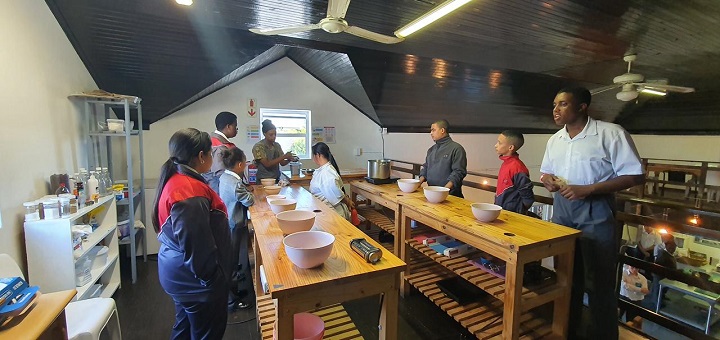
One of the highlights was the Lalalicious Beta in May and June 2024, co-led by herbal scientist Cindy-Lee Knowles. This initiative included hands-on experiences such as:
- Pasta-making sessions with FEDHASA and Glenbridge Skilled School.
- A CTICC showcase demonstrating how classroom learning connects to real industry work.
- Indigenous foraging and culinary demonstrations at Oakley House High.
- Fine-dining mentorship with Chef eSTEVE, where learners with disabilities practised service skills for an audience of cultural and industry leaders, including Artscape’s Marlene le Roux.
These pilots proved that tailored training can deliver meaningful skills and that industry leaders are ready to collaborate when programmes are practical and credible. Accessibility standards and policy guidance were ensured throughout by liveABLE, led by Tarryn Tomlinson.
“World Koesister Day has always been about culture, craft and community. After three years of practical testing, we are ready to show how dignity-centred hospitality training, designed with accessibility guidance from liveABLE, can create real pathways for youth,” said Mark Jacobs, weRproudly NPC.
Best Indigenous-Infused Koesister Live Showcase
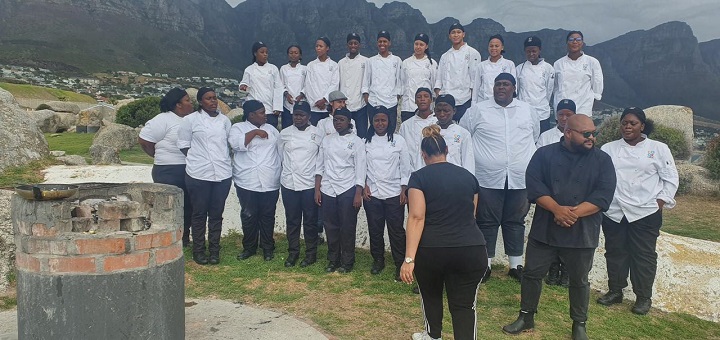
The upcoming launch event at SunSquare Hotel, Gardens will feature 20 youth participants providing hospitality services and sharing their stories. Judges will crown three winners for creating the Best Indigenous-Infused Koesister.
Beyond the competition, all participants will gain access to mentorships, job placements, and pathways to start their own enterprises.
COMm UNiTY Connecting Youth in a Digital Community
The event will also debut COMm UNiTY, a digital platform designed to connect youth with training and industry opportunities. Developed through a joint venture between Insignis Solution, Leelyn Management, and weRproudly NPC, the platform will:
- Enrol participants in the upcoming Koesisters en Koffie Chapter starting October 2025.
- Provide ongoing mentorship and track learner progress.
- Help identify and support micro-business ventures.
- Serve as a hub for industry partners to sponsor, mentor, and hire trained youth.
ALSO READ: Jou Ma Se Taal, Carissa and Real Kaapse Koesisters from Jozi
World Koesister Day 2025 is set to blend heritage, indigenous knowledge, innovation, inclusive training and empowerment, unlocking youth employment, entrepreneurship, and inclusive growth, proving that tradition can open doors to a brighter future.
Celebrate World Koesister Day Your Own Way
Of course, celebrating World Koesister Day cannot and should not be limited to formally organised events. If you are unable to make your own, the best way to celebrate your love for koesisters is to find out which aunty, or uncle, makes The Lekkeste Koesisters in your area, and place your order before the Sunday morning rush.