

 Grant Pascoe
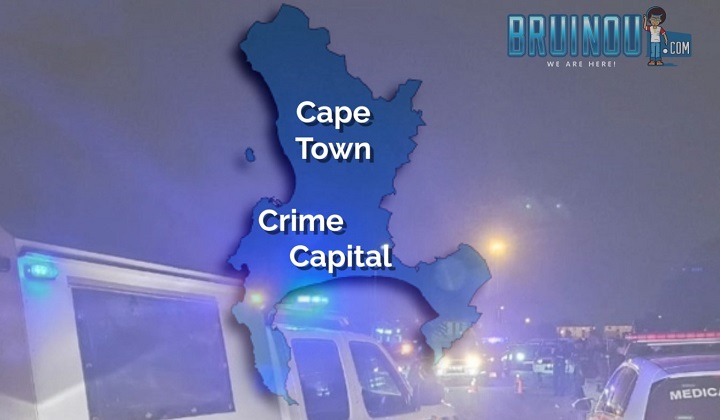
There is a pattern in the Western Cape that cannot be ignored. It is not random. It is strategic. And it targets coloured communities.
Whenever the Democratic Alliance comes under serious pressure, through corruption scandals, service failures or public protests, violence breaks out in the same areas. Hanover Park. Manenberg. Mitchell’s Plain. Ottery. Parkwood. Ravensmead. Bishop Lavis. Elsies River. Scottsdene. Atlantis. Paarl. White City. Witteklip. Diazville. Louwville.
Children are shot. People are gunned down. Families are traumatised. Often, there is no clear reason. These are not just gang shootings. Sometimes, the violence appears designed to create fear and chaos. While our communities mourn, political headlines move on. Attention shifts. And the DA escapes the heat.
They fall back on a familiar excuse, blaming SAPS and national government. But the DA runs the Western Cape and the City of Cape Town. It controls budgets, local safety plans and oversight powers. Yet when people die, they take no responsibility.
Fear is a Decoy to Protect Political Power
This is where the idea of the coloured decoy becomes clear. Our communities are used to change the story, to shift public focus and protect political power. Fear is not just the result of neglect. It is a tactic. It keeps us from demanding answers. It keeps the DA safe.
This is not speculation. There is evidence. The Khayelitsha Commission found that the Western Cape government allowed under-resourced policing and poor safety infrastructure to continue despite knowing it placed lives at risk. The Centre for the Study of Violence and Reconciliation confirmed that violence thrives where communities are excluded, ignored and politically neglected. Other South African studies show that political violence, including killings, has been used to silence dissent and influence behaviour, especially during elections or times of instability.

Who Gains From Our Fear?
So we must ask who benefits when our youth are killed, when communities are terrified, and when attention is pulled away from political failure. Who gains when we are too scared to speak.
The answer is uncomfortable but clear. Coloured people make up nearly half the Western Cape’s population. Yet we live in overcrowded homes, unsafe streets and under-resourced schools. Our clinics are overstretched. Our young people face hopelessness. And when we begin to raise our voices, violence silences us again.
ALSO READ: Coloured Voices Matter: The Missing Faces in Politics and Media
We Cannot Keep Quiet!
This is not just about politics. It is about the value of our lives. It is about dignity. It is about refusing to let fear define our future.
We must demand the truth. We must break the silence. We must awaken the coloured mind. Because when we think for ourselves, no party can ever again use our pain to protect their power.