


 Sharne Rustin
The Warning From Microsoft’s AI Chief
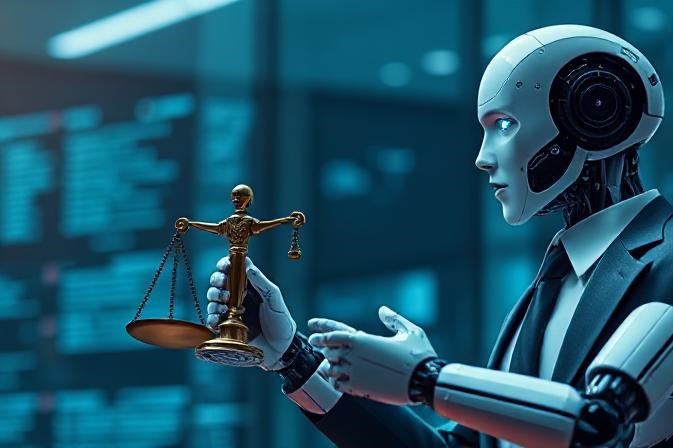
Microsoft’s AI chief Mustafa Suleyman recently said that giving “rights” to artificial intelligence is dangerous and misguided. On the surface, he is correct. AI is a tool, not a living being. It doesn’t eat, sleep, or wonder what it feels like to live in a township, queue for water, or fight for basic services.
But the fact that we are even debating this while millions of humans across South Africa, Africa, and the world are still fighting to be treated as fully human is the real problem. It is absurd. Insulting even. We are entertaining questions about machine dignity while human dignity is being eroded in real time.
The New Fascism Loves a Boardroom
Look around. Inequality is not creeping back, it never left. Black South Africans still face systemic barriers to wealth, opportunity, and justice. Women are harassed, abused, and policed. The wombs of women are legislated with more force than corporate monopolies. Across the globe, voices calling for justice are silenced, displaced, and bombed.
We are also witnessing the rise of a new fascism, dressed up as “security,” “tradition,” or “progress.” Black, Brown, and Arab people are targeted, profiled, and pushed to the margins while their communities are surveilled, criminalised, and bombed into silence.
And yet, in elite boardrooms, the philosophical question being entertained is whether machines should have rights. Let us call it what it is, a farce.
We are talking about AI while human beings continue to lose theirs. That alone tells you who and what really matters in the eyes of power.
Who Really Benefits From “AI Rights”?
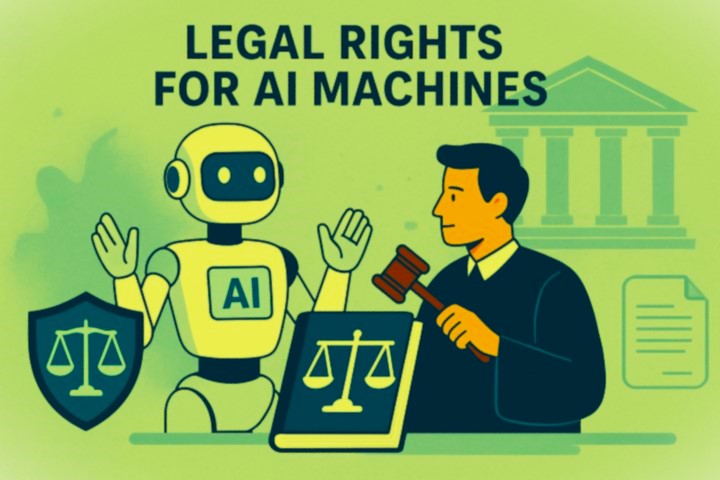
Talk of “AI rights” is not about compassion or ethics. It is a smokescreen. A corporate insurance policy. If AI systems are treated as autonomous entities, then the people and companies that create them can shrug off responsibility for the biases, injustices, and damage these tools unleash. Facial recognition misidentifies Black and Brown people? The AI did it. Predictive policing entrenches systemic racism? That is the algorithm. Your job, your safety, your data compromised? Not us, blame the machine.
Rights for AI are not about protection. They are about evasion. About power carving out a legal loophole big enough to escape accountability.
And let us be clear, granting “rights” to something without sentience, no matter how dazzling its processing power, is the equivalent of giving rights to a microwave. AI does not think, it calculates. It does not feel, it processes. It does not suffer, it executes. To elevate code above the millions of humans who still struggle to be recognised as fully human is not only absurd, it is obscene.
A Microwave With a Lawyer
At the end of the day, giving rights to AI is laughable. It does not struggle, hope, or fight. It does not cry. It does not protest. It simply executes instructions.
The debate should never be about whether machines deserve rights. The debate should be about why we are even having this conversation while human beings continue to be stripped of their human rights. AI does not need rights. People do.
AI Needs Rules, Not Respect
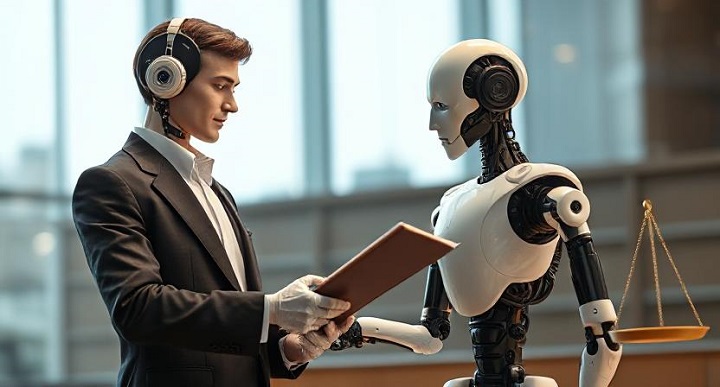
That said, I do think AI systems deserve strict regulations, not rights. Think of it more like nuclear power or financial systems, powerful infrastructures that need governance, transparency, and accountability. The question is not “should AI have rights?” but “how do we hold people and organisations accountable for what AI does?”
Where it gets tricky, and where the controversy makes sense, is if AI ever develops something resembling consciousness or subjective awareness. If that happened (which we are not close to!) then denying rights could mirror how humans historically denied rights to groups they did not understand or value.
What We Should Really Be Talking About
The conversation we should be having is about regulating AI, restraining its power, and holding the people who build and profit from it responsible when it harms real lives. People need rights. People need protection. People need systems that value their humanity over the convenience, profit, and ego of tech elites halfway across the world.
Until that imbalance is corrected, every word debate on “AI rights” is just another distraction, another smokescreen, another way for the powerful to avoid accountability while the rest of us fight over nothing.